 What to eat on the street in Vietnam, and how
Understand · Markets
Markets and night markets, and how to eat in them
Covered markets and evening night markets are the easiest places to try several dishes in one visit. How they work, when to go, what changes at night, and the large markets in each city, with their history and hours.
Why markets are useful for visitors
A market food hall puts many one-dish stalls under one roof. You can sit at one counter for a bowl of noodles, move to the next for cakes, and finish with a sweet soup, without walking the city. Prices are usually posted or easy to compare, and you can see what each stall is cooking before you sit down.
Markets also show you the raw ingredients: the herbs that go into the baskets, the rice noodles in their many shapes, the fish sauce and shrimp paste in jars. Walking the produce section before you eat is a quick lesson in what you are about to order.
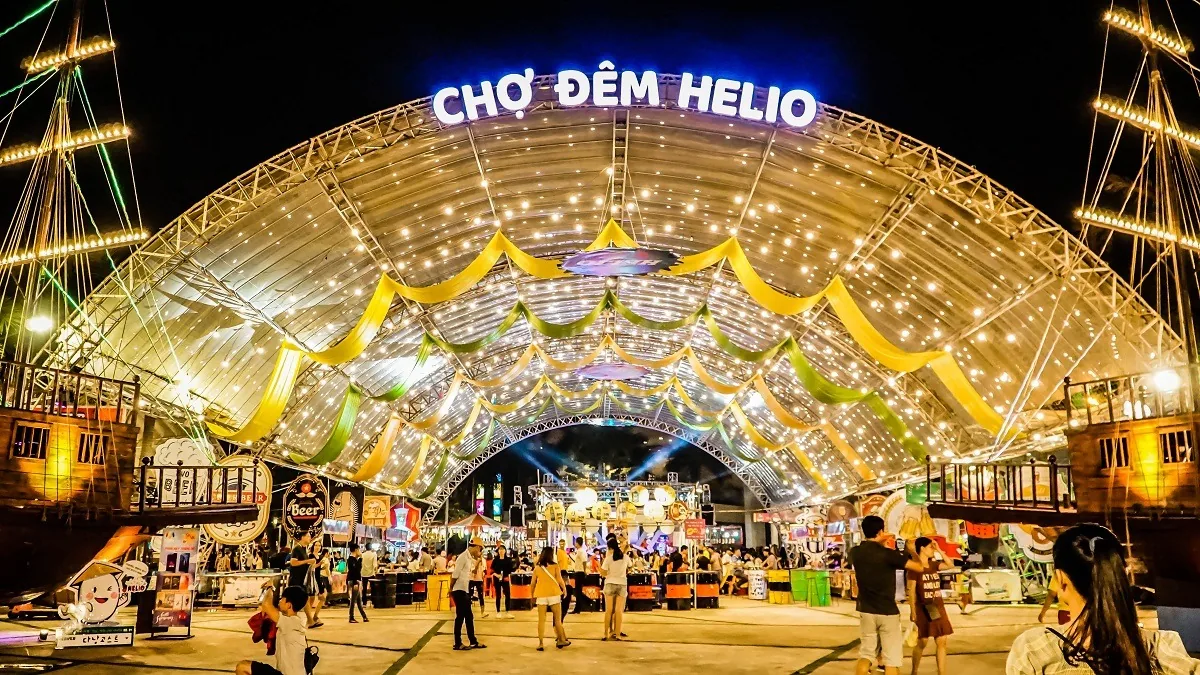
There are two broad types. Day markets serve the neighbourhood: they open early, are busiest in the morning and wind down by late afternoon. Night markets are aimed partly at visitors: they set up in the evening on streets closed to traffic and mix food with souvenirs and clothes.
Day markets: go early
In a day market, the food stalls are busiest and the choice is widest in the morning. In Hue's Dong Ba market, for example, the market opens around 6 am, food stalls are busiest from about 7 to 10 am, and things wind down by early evening. Arrive at 3 pm and many counters will have finished for the day.
Market food sections are often at the back or on the ground floor, separate from the clothes and household goods. Seating is a bench or a stool at the counter. Point, ask the price, eat, pay the cook. The how-to page covers ordering in more detail.
Sources: vietnamtourism.com (independent guide) — Hue food scene; Wikipedia — Dong Ba Market · last checked .
Night markets: what changes after dark
Night markets are louder, more crowded and more aimed at visitors. Grills, skewers and pancakes take over from the morning soups. Prices are often a little higher than at neighbourhood stalls, and the risk of an inflated bill is higher too, so ask before you order.
- Food is cooked fast and in volume. Hot food from the grill or wok is the lower-risk choice; pre-cut fruit and cold dishes sitting out in the heat are riskier.
- Crowds mean pickpockets and bag snatchers. The UK Foreign Office says bag snatchers operate in crowded places visited by tourists; keep bags in front of you and phones out of back pockets.
- Bring small notes. Change is slow at a busy stall at 9 pm.
Sources: UK Foreign Office — Vietnam travel advice, safety and security; US CDC Yellow Book — food and water precautions for travelers · last checked .
Large markets in the four cities
Hanoi: Dong Xuan Market
Built by the French administration in 1889 in the Old Quarter, about 600 metres north of Hoan Kiem Lake, Dong Xuan was largely destroyed by fire in 1994 and rebuilt in its original form. Its three floors are mainly wholesale stalls; food is sold at the rear. A night market began in 2003, and since October 2004 the street in front has been closed to vehicles on Friday, Saturday and Sunday evenings for it, with souvenirs, food and traditional music.
Hue: Dong Ba Market
On the north bank of the Perfume River near the citadel, Dong Ba is Hue's largest market, with a total area of about 47,600 square metres. Its history goes back to the Nguyen emperors; the market moved to its current site in 1899 and was rebuilt after the war, with a major renovation in 1987. Its food section is an efficient place to try several Hue dishes at once.
Hoi An: the Central Market
Hoi An's central market sells local dishes at its food counters; one 2026 guide cites a bowl of mi Quang with fresh sugarcane juice there for VND 45,000. Morning markets around the town are where mi Quang is most often sold, at about VND 30,000 to 40,000.
Ho Chi Minh City: Ben Thanh Market
In Ben Thanh ward, in what was District 1, the current Ben Thanh building was completed in 1914 on a market site that dates back centuries. The food vendors are near the northern gate, selling pho, broken rice, bun bo Hue, grilled pork with noodles, banh beo and desserts. The market opens around 6 am and closes at 6 pm; after that, a night market of food stalls sets up along Phan Boi Chau and Phan Chu Trinh streets until about 10 pm.
Sources: Wikipedia — Dong Xuan Market; Wikipedia — Dong Ba Market; vietnamtourism.com (independent guide) — Hue food scene; vietnamtourism.com (independent guide, not a government site) — Hoi An daily budget 2026; Wikipedia — Ben Thanh Market · last checked .
Holidays and closures
Around Tet, the Lunar New Year in late January or February, many markets and stalls close for several days and those that open may charge more; the Tet 2025 crab noodle case on the prices page is an extreme example. The UK Foreign Office also notes that petty theft increases around Christmas and Tet. If your trip falls in Tet week, expect a quieter street food scene and plan around hotel restaurants and the stalls that stay open.
Sources: Tuoi Tre News — Hanoi eatery suspended over Tet crab noodle prices (February 2025); UK Foreign Office — Vietnam travel advice, safety and security · last checked .
Common questions
Questions readers ask
What time should I go to a market to eat?
For day markets, go in the morning, roughly 7 to 10 am, when the stalls are busiest and the choice is widest. Night markets start in the evening.
Are night markets more expensive?
Often a little, because they are aimed at visitors. Ask the price before you order, especially for seafood and anything sold by weight.
Are markets open during Tet?
Many close for several days around the Lunar New Year, and those that open may charge more. Check locally if you travel during Tet week.
Related
Read next
Understand · Prices
Prices by city
Price ranges for street dishes in five cities, with sources and dates, plus how to avoid being overcharged.
Read more
Understand · Ordering
How to eat at a stall
Choosing a stall, sitting down, ordering without a menu, using the herbs and sauces, and paying.
Read more
Understand · Health
Food safety
Official health advice on street food, ice, raw herbs and methanol, applied to real stalls, and what to do if ill.
Read more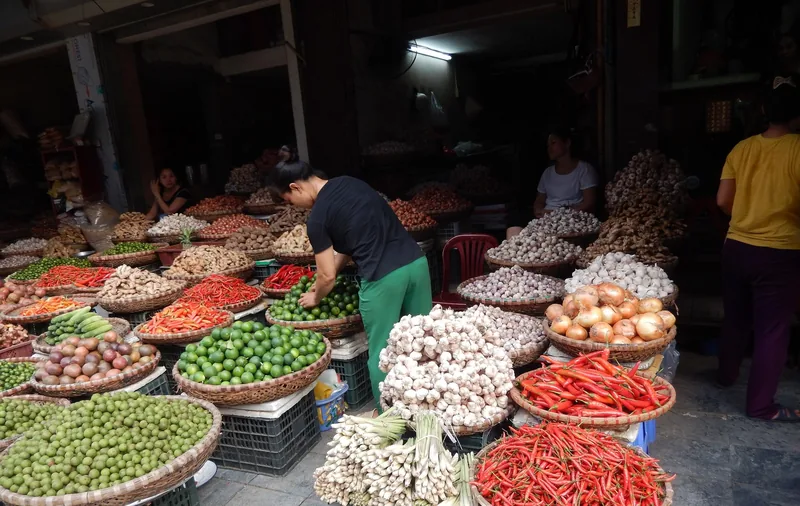
Cities · North
Hanoi
What and when to eat in Hanoi, sourced prices, seasons, getting there, and who should skip it.
Read more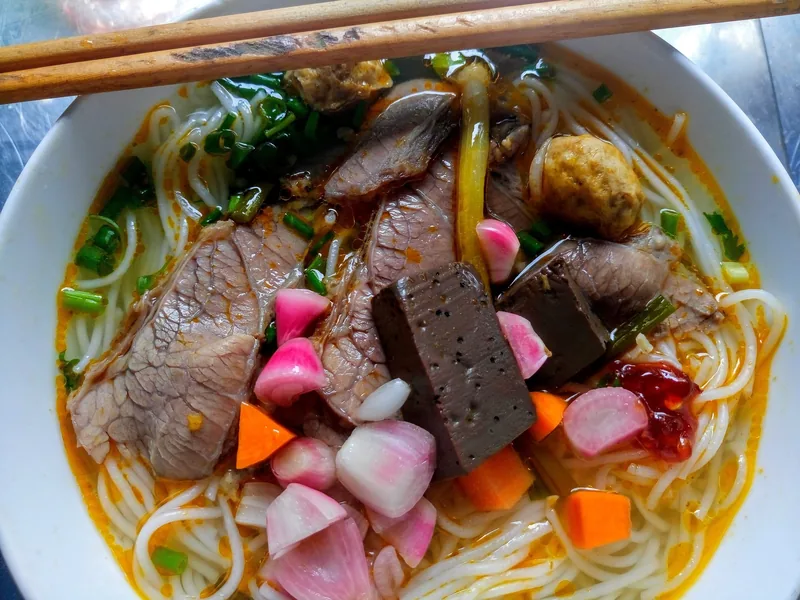
Cities · Centre
Hue
Bun bo Hue, steamed cakes and clam rice in Hue: when to eat, sourced prices, seasons and who should skip it.
Read more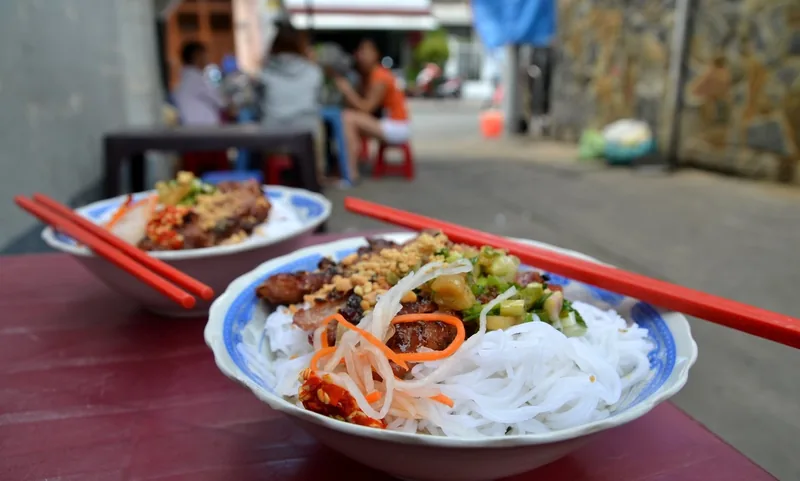
Cities · South
Ho Chi Minh City
Com tam, banh mi and southern pho in Saigon: what and when to eat, sourced prices, seasons and who should skip it.
Read more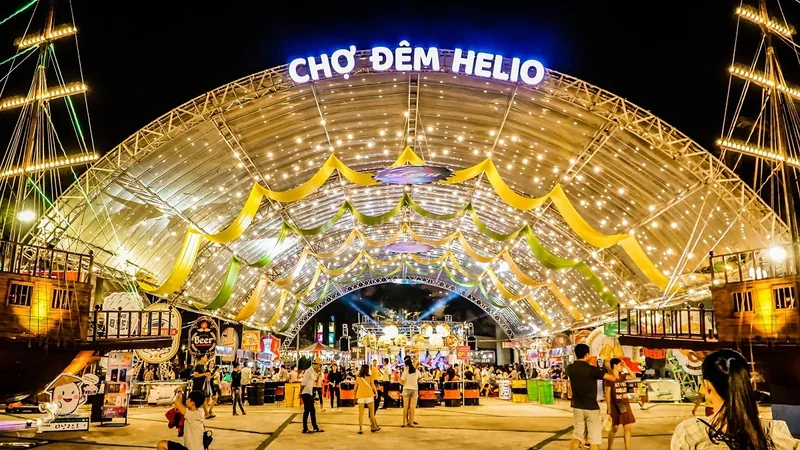
Start planning
Send a correction or a question
Tell us which page you mean, what you found at the stall or in the market, and when. A price, a date and a city help us check it.