 What to eat on the street in Vietnam, and how

Cities
City by city, different ways of eating on the street
Street food in Vietnam changes with the region: the dishes, the time of day they are eaten, the seasoning and the price. These pages cover the four cities most visitors pass through, plus Da Nang, with what to eat, when, what it costs and when food is a poor reason to go.
Choose a city
North
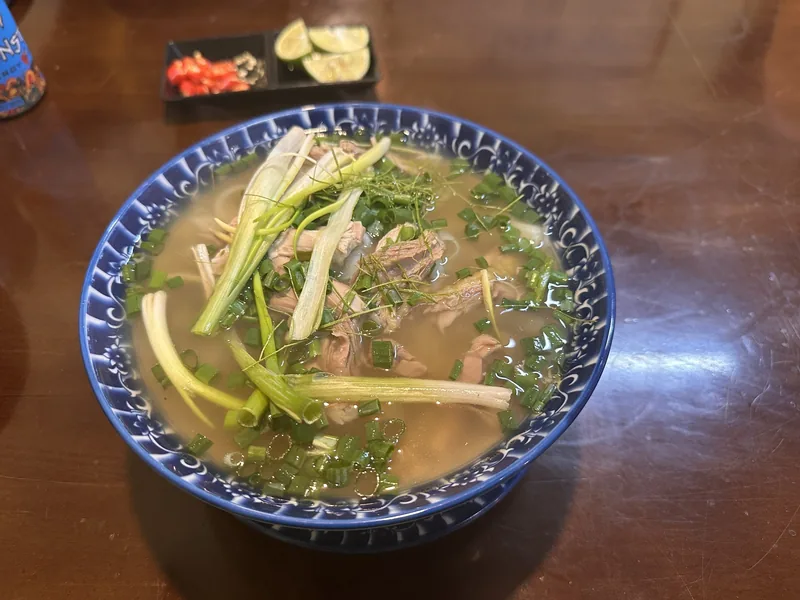
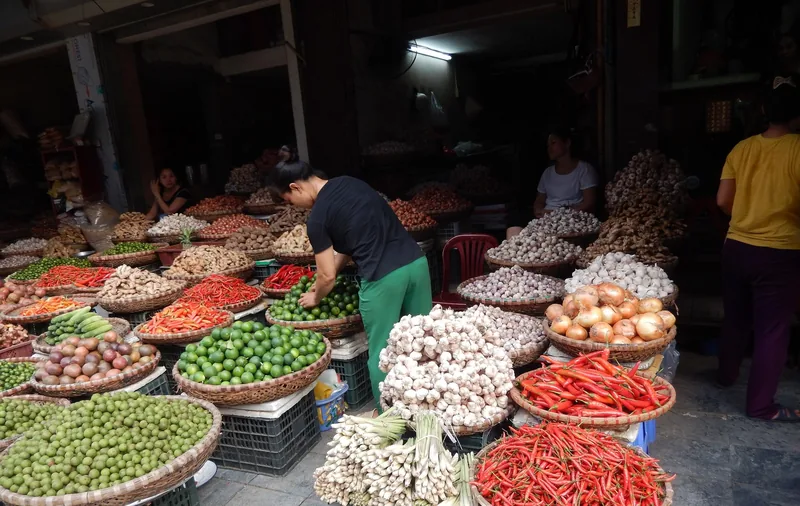
Hanoi
Clear pho broth, bun cha at lunch, crab and snail noodles, and the Old Quarter at night.
Read the Hanoi page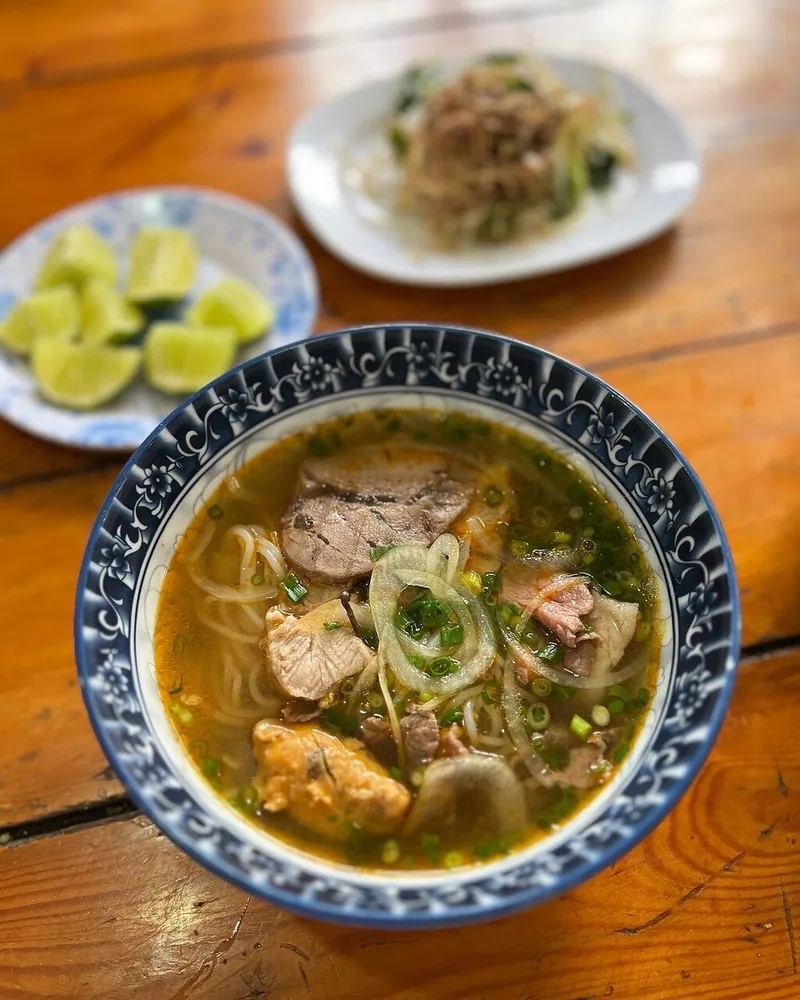
Centre
Hue
Spicy beef noodle soup at breakfast, small steamed cakes, clams with rice, and Dong Ba market.
Read the Hue page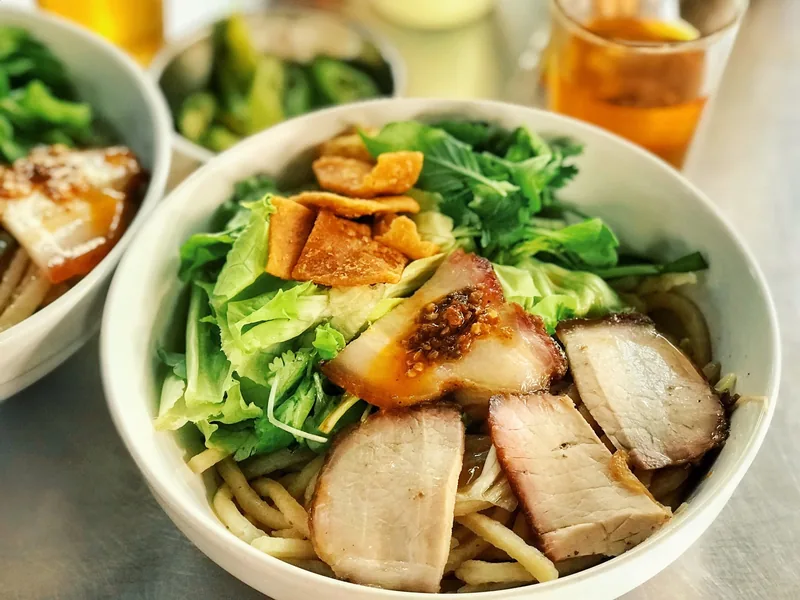
Centre
Hoi An and Da Nang
Cao lau, mi Quang, banh mi and chicken rice, in a town that is now a ward of Da Nang city.
Read the Hoi An page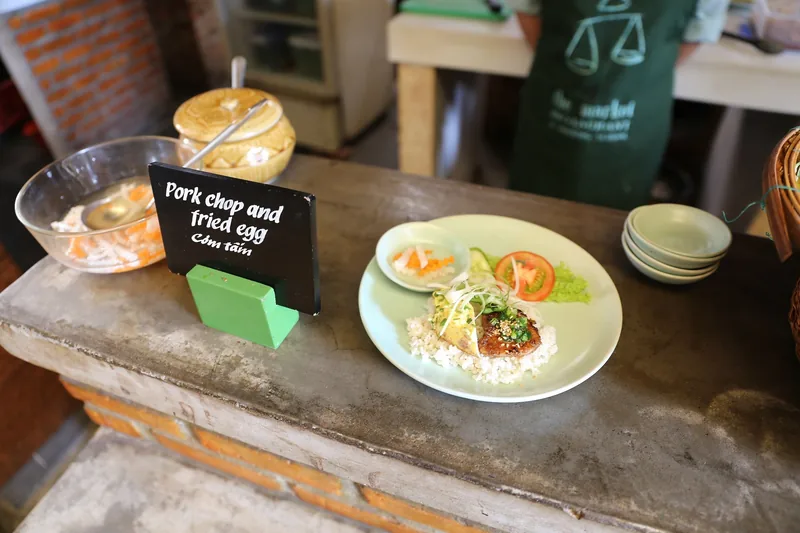
South
Ho Chi Minh City
Broken rice, banh mi, southern pho and pancakes, with the widest choice and longest hours.
Read the Ho Chi Minh City pageSide by side
| Hanoi | Hue | Hoi An and Da Nang | Ho Chi Minh City | |
|---|---|---|---|---|
| Dishes tied to the city | Pho, bun cha, bun rieu | Bun bo Hue, banh beo, com hen, banh khoai | Cao lau, mi Quang, banh xeo | Com tam, banh mi, southern pho |
| Seasoning, broadly | Lighter, less chilli | Spiciest, shrimp sauces | Central: chilli, fermented fish dips | Sweeter, coconut milk |
| Noodle bowl price (VND) | 40,000 – 50,000 | 40,000 – 60,000 (bun bo Hue) | 30,000 – 45,000 (mi Quang, cao lau) | No single sourced figure |
| Drier months | Apr – Jun, Sep – Nov | Mar – Aug | Feb – Aug | Dec – Apr |
| Main airport | Noi Bai (HAN) | Phu Bai (HUI) | Da Nang (DAD) | Tan Son Nhat (SGN) |
Prices are from the sources on the prices page, checked in 2025 and 2026; the seasons are from the Vietnam National Authority of Tourism. Both change, so check before you go.
Sources: Wikipedia — Vietnamese cuisine; VietNamNet — Hanoi pho and rice platter prices (July 2026); vietnamtourism.com (independent guide) — Hue food scene; vietnamtourism.com (independent guide, not a government site) — Hoi An daily budget 2026; Vietnam National Authority of Tourism — weather and climate · last checked .
How the cities fit together
The four cities sit along the length of the country. Hanoi is in the north, Hue and Hoi An in the centre with Da Nang between them, and Ho Chi Minh City in the south. Most visitors move between them by domestic flight or by train, and the food changes noticeably with each move.
A food-focused trip can follow the dishes. Pho is better understood in Hanoi before you meet the sweeter southern bowl. Bun bo Hue is a different dish in Hue at 7 am from the one sold all day elsewhere. Cao lau is tied to Hoi An itself. Com tam and banh mi have their centre of gravity in Ho Chi Minh City.
Administrative names changed in 2025. On 1 July 2025 Vietnam reorganised into 34 provinces and cities. Quang Nam province was merged into Da Nang, so Hoi An is now a ward of Da Nang city; Hue, the former Thua Thien Hue province, is a centrally governed city; and Binh Duong and Ba Ria-Vung Tau were merged into Ho Chi Minh City. Older guides and addresses still use the former district names, such as District 1 in Saigon, and so do many locals.
Sources: Wikipedia — Provinces of Vietnam (2025 reorganisation); Wikipedia — Hoi An (2025 ward status) · last checked .
How long to give each city for food
These are planning estimates for people who want to eat well, not minimums. Because many dishes are tied to a time of day, you need several mornings and lunches, not just evenings, to eat a city's signature dishes.
- Hanoi: two to three days covers pho, bun cha at lunch, bun rieu and the Old Quarter evenings.
- Hue: one to two days, including at least one early morning for bun bo Hue and banh beo.
- Hoi An and Da Nang: two days for cao lau, mi Quang and the town's other dishes; more if you also want Da Nang.
- Ho Chi Minh City: two to three days, because the range is the widest and the city is large.
When the season matters
The centre is the region where the weather most affects street eating. Hue can flood from September to November, and Hoi An is wet from September to January with occasional small floods from September to November. Stalls on low ground close, and sitting on a pavement in heavy rain is unpleasant. Hanoi is cool to cold from December to March, which suits hot soups. Ho Chi Minh City has afternoon downpours from May to November that last a few hours; stalls pull in their stools and reopen afterwards.
Comfort for eating outdoors, from the national tourism authority's climate notes: 3 = dry and pleasant, 2 = workable, 1 = wettest or most flood-prone. Our summary, not an official rating.
Sources: Vietnam National Authority of Tourism — weather and climate · last checked .
What these pages do not do
They do not list or rank named stalls or restaurants, and they do not sell or recommend food tours. They name streets, markets and districts where a type of food is easy to find, explain what to eat and when, and give price ranges with sources. For the dishes themselves, see the dish glossary; for ordering, the how-to page.
Common questions
Questions readers ask
Which city has the most street food?
Ho Chi Minh City has the widest range and the longest hours, and Hanoi has the densest street food in its Old Quarter. Hue and Hoi An are smaller but have dishes you will not find in the same form elsewhere.
Is Hoi An part of Da Nang now?
Yes. Since the 2025 reorganisation, Quang Nam province has been part of Da Nang city, and Hoi An's old town is a ward of Da Nang.
When is the worst time for street food in central Vietnam?
The rainy months from September to November, when Hue and Hoi An can flood. Many stalls still open, but plans can change at short notice.
Do I need to travel north to south for the food?
No. Either direction works. Let the season and your flights decide, and plan mornings for the dishes that are only sold early.
Related
Read next
Cities · North
Hanoi
What and when to eat in Hanoi, sourced prices, seasons, getting there, and who should skip it.
Read more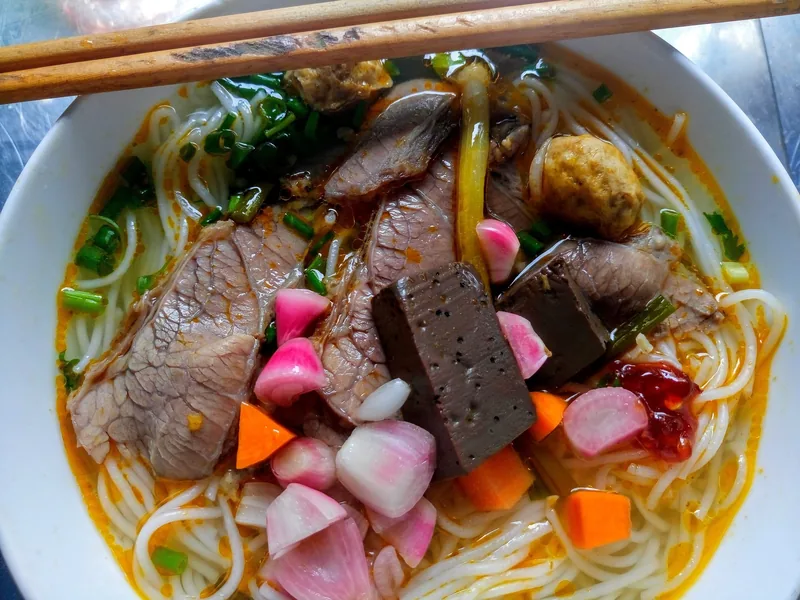
Cities · Centre
Hue
Bun bo Hue, steamed cakes and clam rice in Hue: when to eat, sourced prices, seasons and who should skip it.
Read more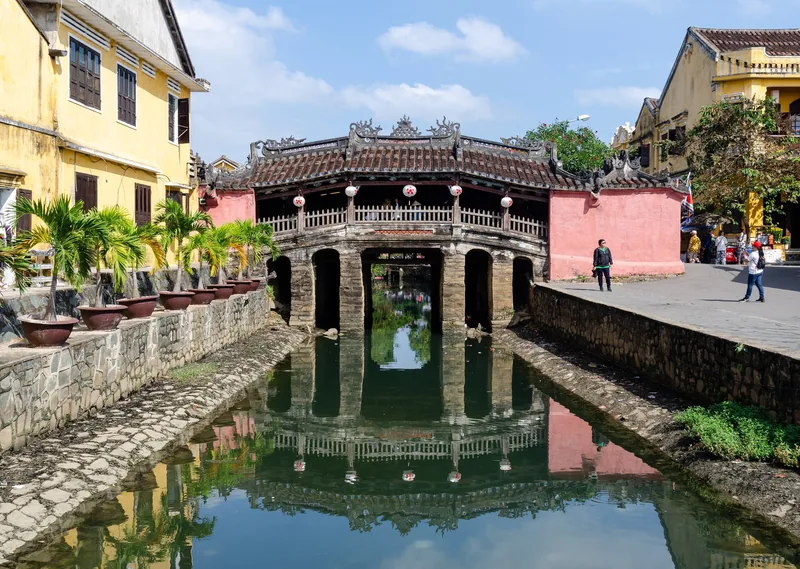
Cities · Centre
Hoi An and Da Nang
Cao lau, mi Quang and banh xeo in Hoi An and Da Nang: when to eat, sourced prices, seasons and who should skip it.
Read more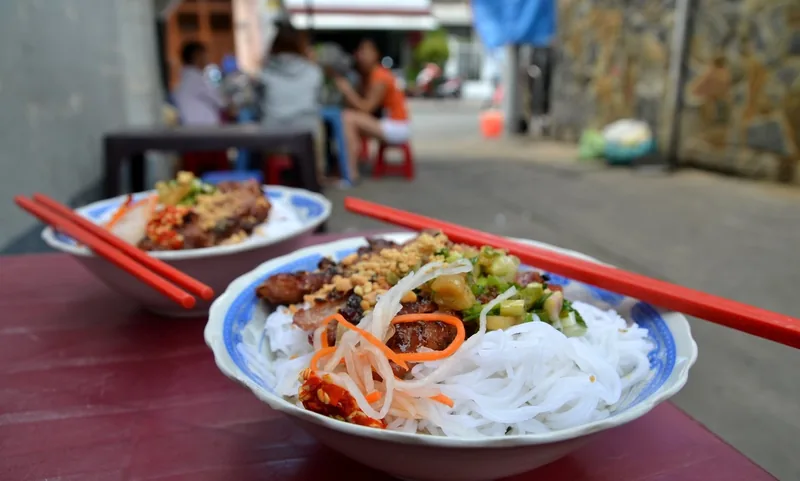
Cities · South
Ho Chi Minh City
Com tam, banh mi and southern pho in Saigon: what and when to eat, sourced prices, seasons and who should skip it.
Read more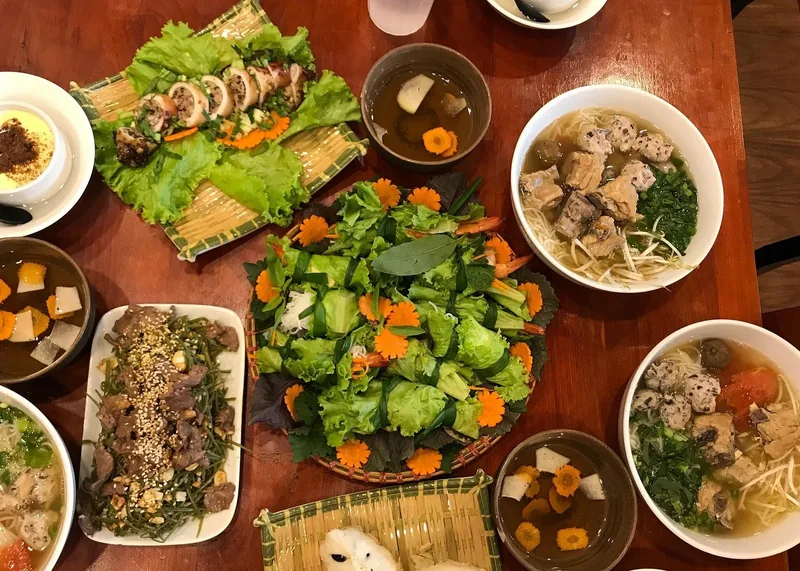
Understand · Dishes
Dish glossary
What the common street dishes are, where they come from and which allergens they usually contain.
Read more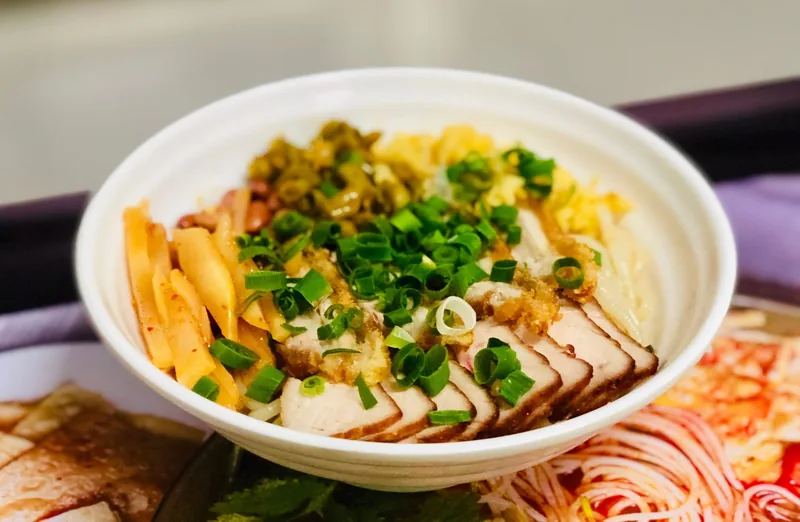
Understand · Prices
Prices by city
Price ranges for street dishes in five cities, with sources and dates, plus how to avoid being overcharged.
Read moreStart planning
Send a correction or a question
Tell us which page you mean, what you found at the stall or in the market, and when. A price, a date and a city help us check it.