 What to eat on the street in Vietnam, and how
Cities · North
Hanoi: broth, charcoal and the Old Quarter
Hanoi is where pho grew up and where bun cha is lunch. Its street food is lighter on chilli than the rest of the country, organised by the time of day, and densest in the Old Quarter. Here is what to eat, when, what it costs and when the city is a poor choice for a food trip.
At a glance
- Signature dishes
- Pho, bun cha, bun rieu
- Nights
- 2 – 3 for food
- Noodle bowl
- VND 40,000 – 50,000
- Drier months
- Apr – Jun, Sep – Nov
- Airport
- Noi Bai (HAN)
- Busiest food area
- Old Quarter
Sources: VietNamNet — Hanoi pho and rice platter prices (July 2026); Vietnam National Authority of Tourism — weather and climate · last checked .
What eating in Hanoi is like
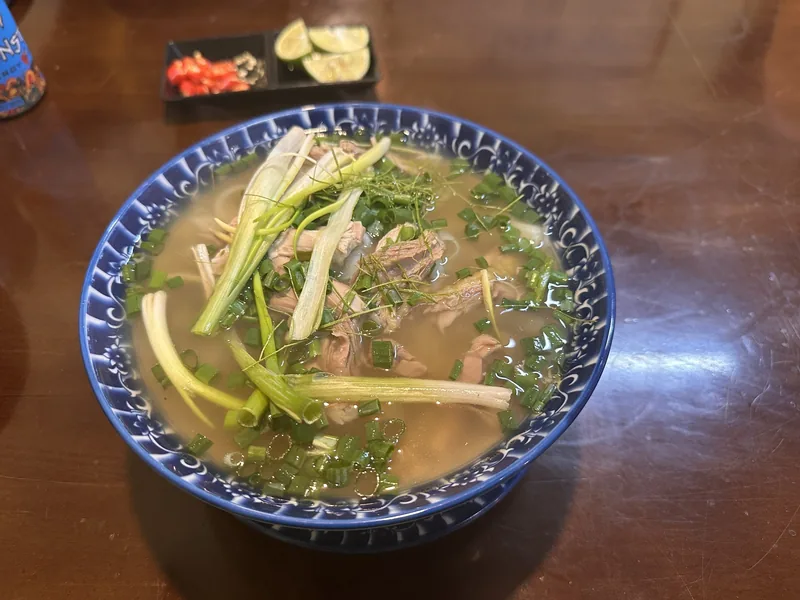
Hanoi's street food is built on broth and charcoal. Breakfast is a bowl of noodle soup, very often pho; lunch, from late morning, is bun cha, announced by the smoke of pork grilling over coals; the afternoon and evening bring snacks, sweet soups and grilled food. Northern cooking uses less chilli and sugar than the south, and the condiments on the table do the adjusting: pickled garlic, chilli, lime.
Pho has particular weight here. The Hanoi government portal dates street sales across the city to between 1907 and 1910, when vendors carried pots of broth and noodles through the streets, and Hanoi-style pho was listed as national intangible cultural heritage in August 2024. The northern bowl is clear and savoury, with few garnishes, often eaten with fried dough sticks; if you have eaten pho abroad, it may seem plain at first.
The Old Quarter, north of Hoan Kiem Lake, has the densest concentration of stalls and the most visitors. That makes it convenient and easy to navigate, but it is also where the overcharging cases in the press have taken place. Residential neighbourhoods further out have the same dishes at local prices and fewer English menus.
Sources: Hanoi government portal — Hanoi-style pho recognised as national intangible heritage; Hanoi Department of Tourism — food and drink articles; Wikipedia — Pho; Wikipedia — Vietnamese cuisine; Tuoi Tre News — Hanoi vendor fined after charging a tourist for fried cakes (June 2026) · last checked .
What to eat, and when
| Time | What is on sale | Notes |
|---|---|---|
| Early morning | Pho bo, pho ga, other noodle soups | Small stalls close when the broth runs out |
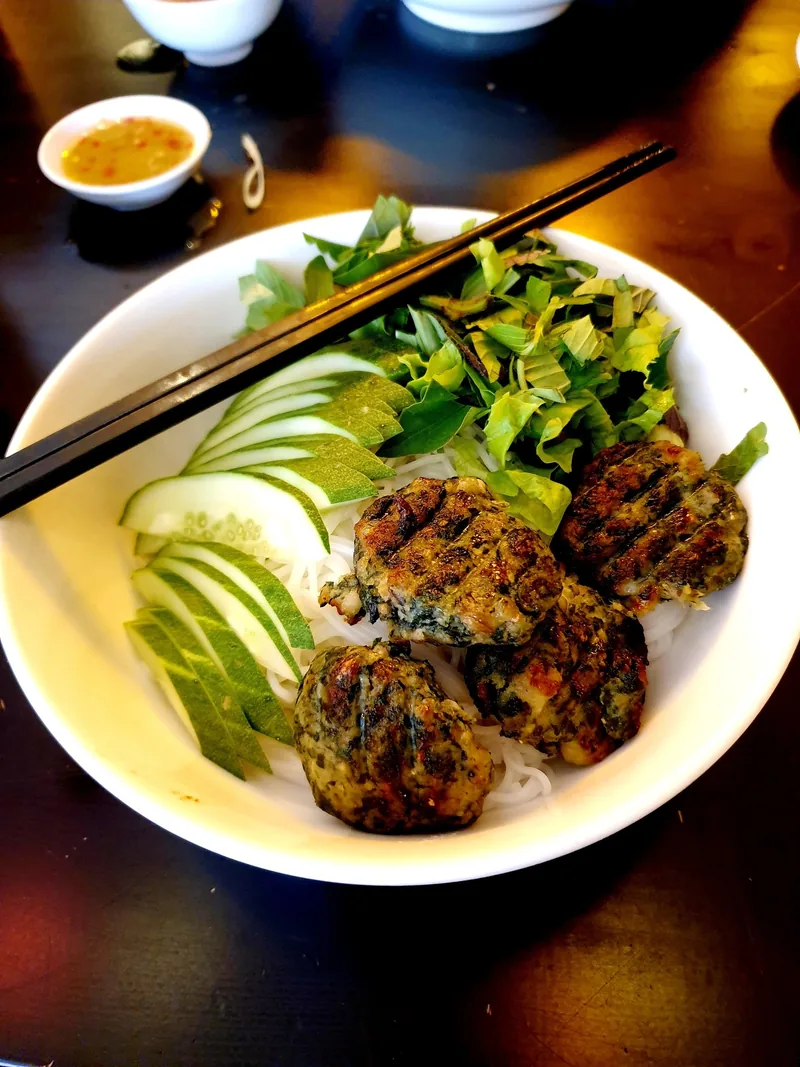
| From about 10:30 am to 2 pm | Bun cha | Many stalls sell out or close by about 2 pm; peak 12 to 1:30 pm |
| Late morning and lunch | Bun rieu (crab), bun oc (snail), rice platters | Office-lunch rice stalls fill at noon |
| Afternoon | Snacks, fried cakes, sweet soups (che) | Pavement vendors and carts |
| Evening | Grilled food, hot pot, night market stalls | Dong Xuan night market Friday to Sunday |
For the dishes themselves, including their allergy flags, see the dish glossary. For the bun cha dipping technique, see the how-to page.
Sources: vietnamtourism.com (independent guide) — bun cha and how to eat it; VietNamNet — Hanoi pho and rice platter prices (July 2026); Wikipedia — Dong Xuan Market · last checked .
How many nights
Two to three nights is a reasonable planning estimate for eating Hanoi's main dishes without rushing, because they are spread across the day: you need at least two mornings for pho and other soups, two lunches for bun cha and rice stalls, and an evening in the Old Quarter. With one night you will eat well but mainly in the evening, when the signature lunch dish has finished.
If Hanoi is your arrival city, the first evening is often the time to try a simple noodle soup close to your hotel and leave the busier areas for the next day, once you are used to the traffic and the stools.
When to go
According to the national tourism authority, April to June and September to November are the clearer, drier periods in the north; June to August is hot, humid and rainy; and December to March is cool to cold, with lows around 10°C. For street food, the cool months are no hardship: hot soup on a cold evening is the point. The summer months are the least comfortable for sitting next to charcoal grills at lunch.
3 = dry and pleasant, 2 = workable, 1 = hottest and wettest. Our summary of the official climate notes.
Around Tet, the Lunar New Year in late January or February, many stalls close for several days and some that open charge holiday prices. In February 2025 a Hanoi crab noodle shop was suspended after charging ten times its usual price on the first day of Tet.
Sources: Vietnam National Authority of Tourism — weather and climate; Tuoi Tre News — Hanoi eatery suspended over Tet crab noodle prices (February 2025) · last checked .
Getting there and around
Hanoi's Noi Bai International Airport (HAN) has international and domestic flights. From Hue, Da Nang and Ho Chi Minh City there are frequent domestic flights, and the north–south railway links Hanoi with Hue, Da Nang and Saigon; the train is slow but direct. Check current airline and railway timetables before you plan around a particular departure.
In the city, ride-hailing apps are the easy way to move between neighbourhoods. The UK Foreign Office recommends pre-arranged transport or official ride-hailing apps such as Grab or XanhSM, and warns about people posing as app drivers; book the whole journey in the app. The Old Quarter itself is walkable, though pavements are often taken up by parked motorbikes and stall stools.
Sources: UK Foreign Office — Vietnam travel advice, safety and security · last checked .
What it costs
| Item | Typical price (VND) | Source |
|---|---|---|
| Bowl of pho, bun or mien | 40,000 – 50,000 | VietNamNet, July 2026 |
| Beef or seafood noodle bowl | 45,000 – 55,000 | VietNamNet, July 2026 |
| Bun cha at a street stall | 40,000 – 60,000 | vietnamtourism.com, October 2026 |
| Office-lunch rice platter | 50,000 – 70,000 | VietNamNet, July 2026 |
| Fried cake from a pavement vendor | about 5,000 each | Tuoi Tre, June 2026 |
Check before you go: Hanoi noodle shops raised several bowls by VND 5,000 in 2026. We do not publish hotel prices, which vary too widely by season and standard to source reliably. More cities and the overcharging cases are on the prices page.
Sources: VietNamNet — Hanoi pho and rice platter prices (July 2026); vietnamtourism.com (independent guide) — bun cha and how to eat it; Tuoi Tre News — Hanoi vendor fined after charging a tourist for fried cakes (June 2026) · last checked .
Streets and markets
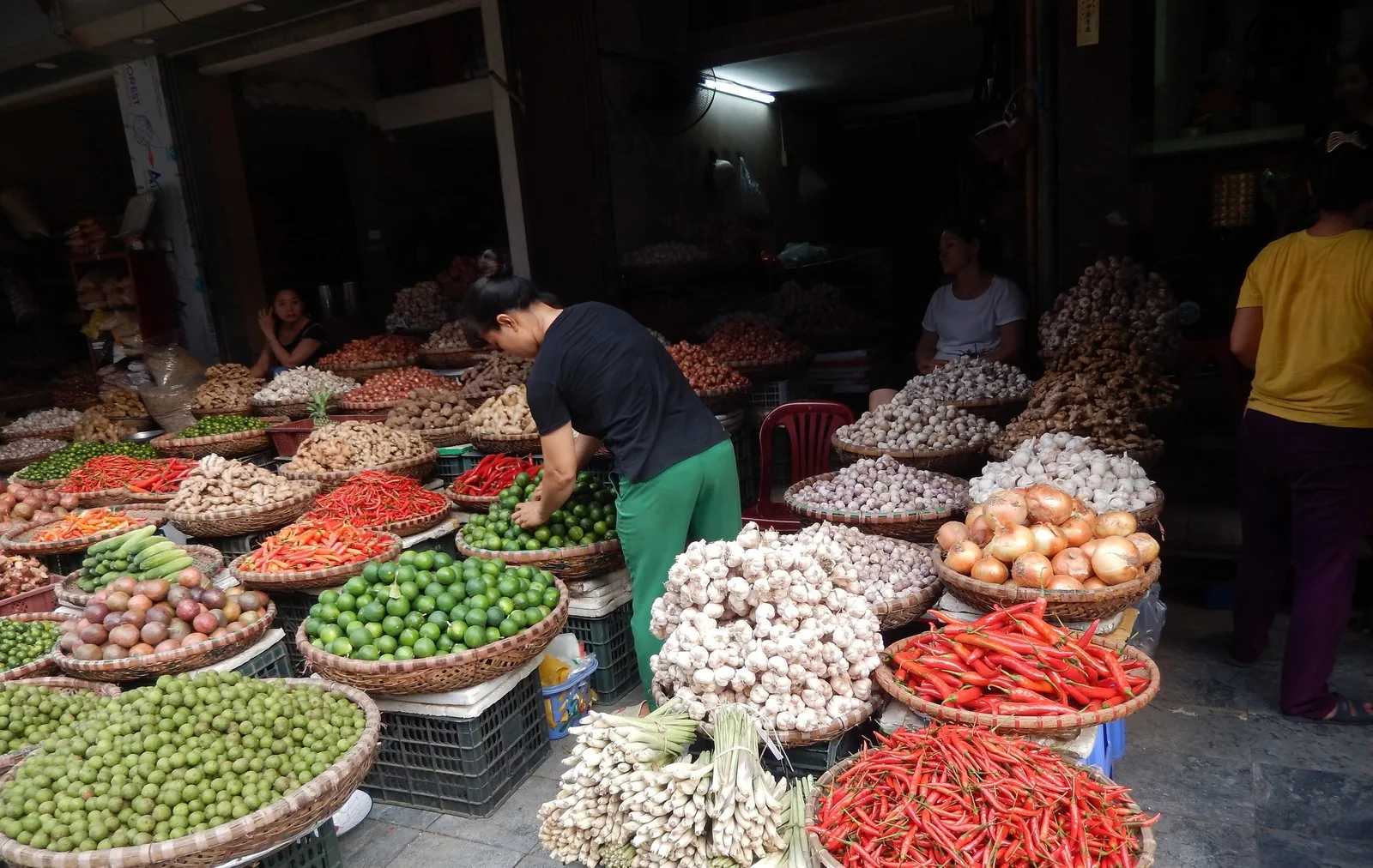
Dong Xuan Market, built in 1889 about 600 metres north of Hoan Kiem Lake, sells food at the rear of its main hall. Its night market, started in 2003, takes over Dong Xuan Street on Friday, Saturday and Sunday evenings, when the street is closed to vehicles, with food stalls, souvenirs and traditional music. The streets of the Old Quarter between the market and the lake are where most visitors eat; prices there are more often aimed at visitors.
The area around Hoan Kiem Lake is also where the June 2026 case of a vendor charging VND 430,000 for ten fried cakes took place. Asking the price first, and paying in small notes, avoids most of this. See the markets page for how market food halls work.
Sources: Wikipedia — Dong Xuan Market; Tuoi Tre News — Hanoi vendor fined after charging a tourist for fried cakes (June 2026) · last checked .
Pictures
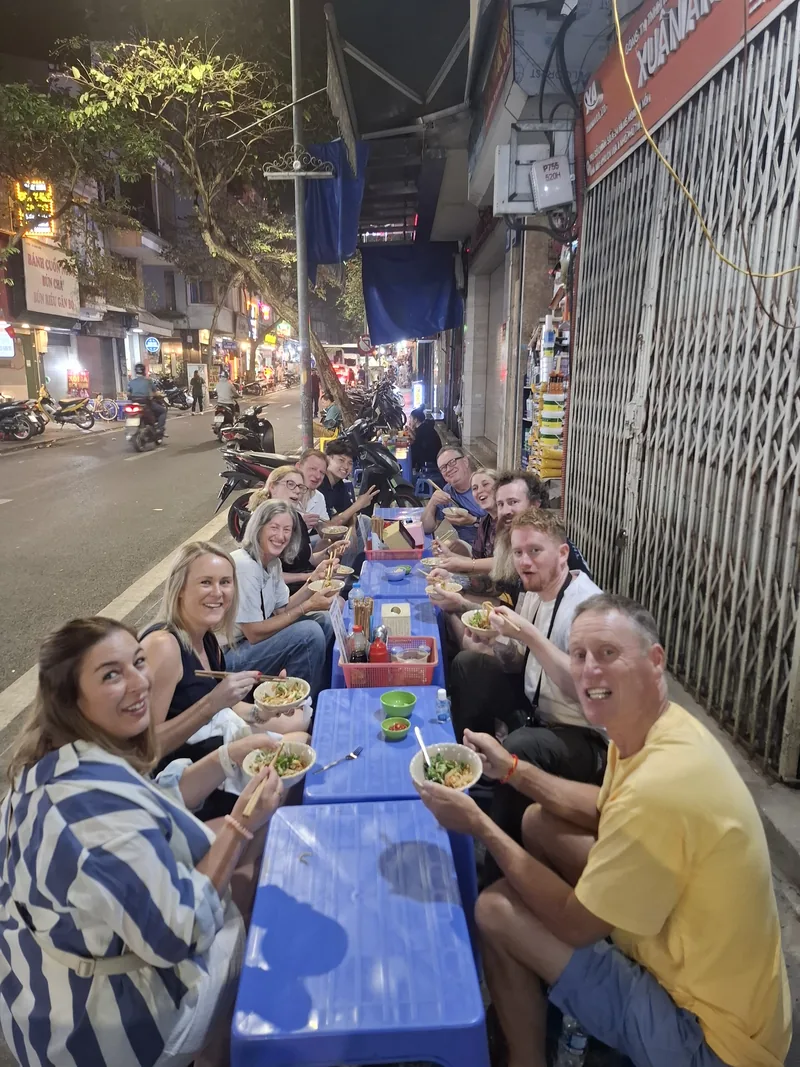
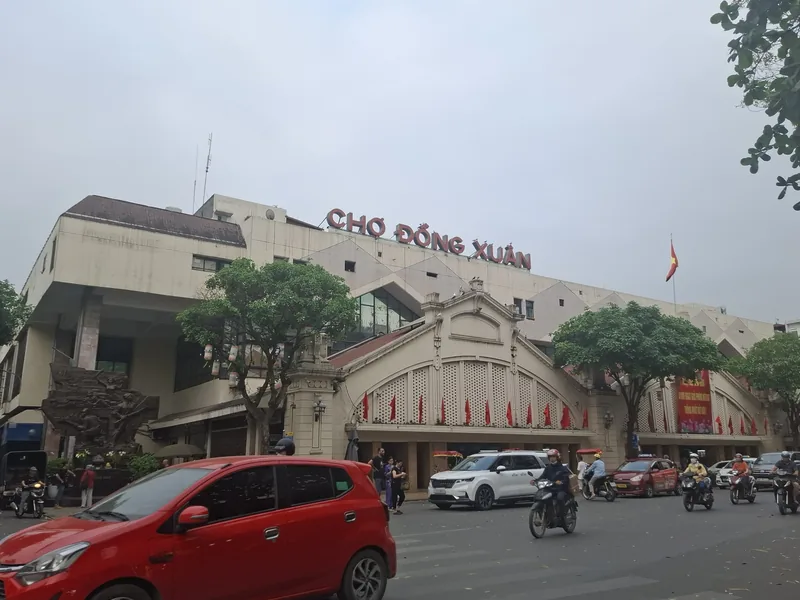

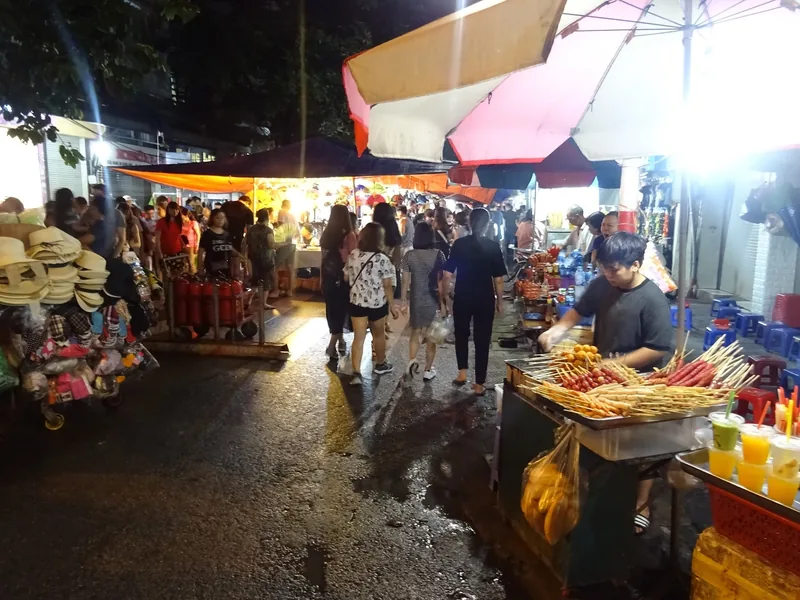
Who should skip Hanoi for food, or when not to go
- If you have only an evening. The signature lunch dish, bun cha, is finished by mid-afternoon, and many soup stalls close by mid-morning.
- If you want spicy food. Northern cooking is the mildest in the country; Hue is the city for heat.
- In Tet week, if street food is the main reason for your visit. Many stalls close for several days.
- If you cannot sit on low stools or deal with pavements crowded by motorbikes. Seated restaurants exist, but the street food experience is built around both.
- In the hottest, wettest months of June to August, if sitting next to charcoal grills at noon is a deal-breaker.
Common questions
Questions readers ask
What is different about pho in Hanoi?
The northern broth is clear and savoury with fewer garnishes. Expect pickled garlic, chilli and fried dough sticks rather than the bean sprouts, basil and hoisin of the south.
When should I eat bun cha in Hanoi?
At lunch. Stalls typically open around 10:30 am, are busiest from noon to 1:30 pm, and many have sold out or closed by about 2 pm.
Is the Old Quarter more expensive?
It is where most visitors eat, so more stalls aim their prices at visitors, and most reported overcharging cases come from there. Asking the price first keeps it reasonable.
Is Hanoi good for street food in winter?
Yes, if you do not mind the cold. From December to March lows can reach about 10°C, which is good weather for hot soups.
Related
Read next

Cities
Cities
How street food differs between Hanoi, Hue, Hoi An with Da Nang, and Ho Chi Minh City.
Read more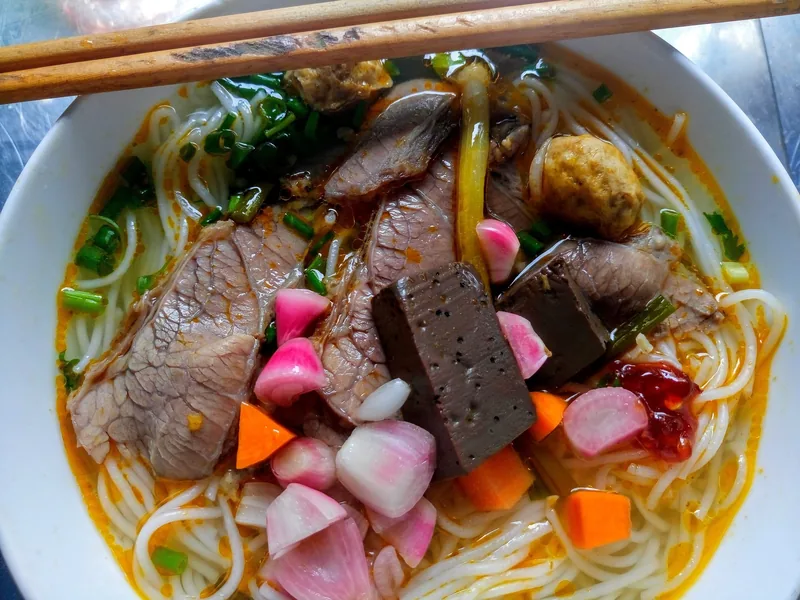
Cities · Centre
Hue
Bun bo Hue, steamed cakes and clam rice in Hue: when to eat, sourced prices, seasons and who should skip it.
Read more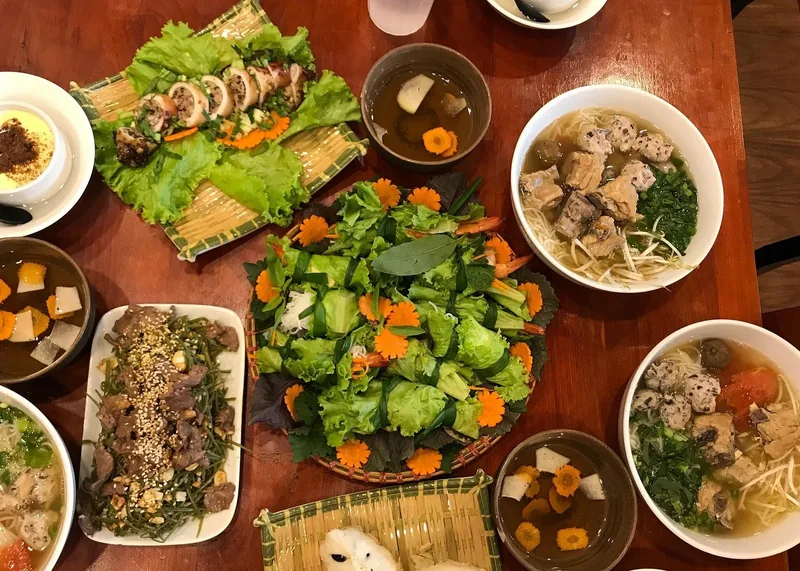
Understand · Dishes
Dish glossary
What the common street dishes are, where they come from and which allergens they usually contain.
Read more
Understand · Ordering
How to eat at a stall
Choosing a stall, sitting down, ordering without a menu, using the herbs and sauces, and paying.
Read more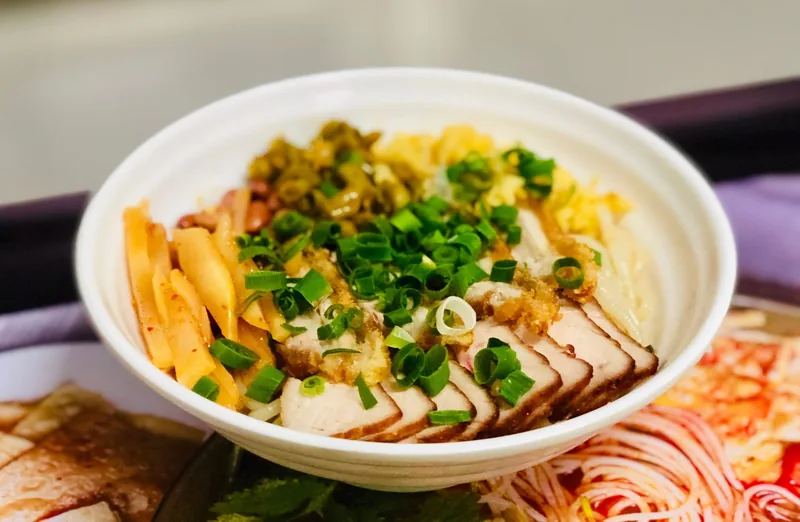
Understand · Prices
Prices by city
Price ranges for street dishes in five cities, with sources and dates, plus how to avoid being overcharged.
Read more
Understand · Markets
Markets and night markets
How market food halls and night markets work, when to go, and the main markets in Hanoi, Hue and Saigon.
Read more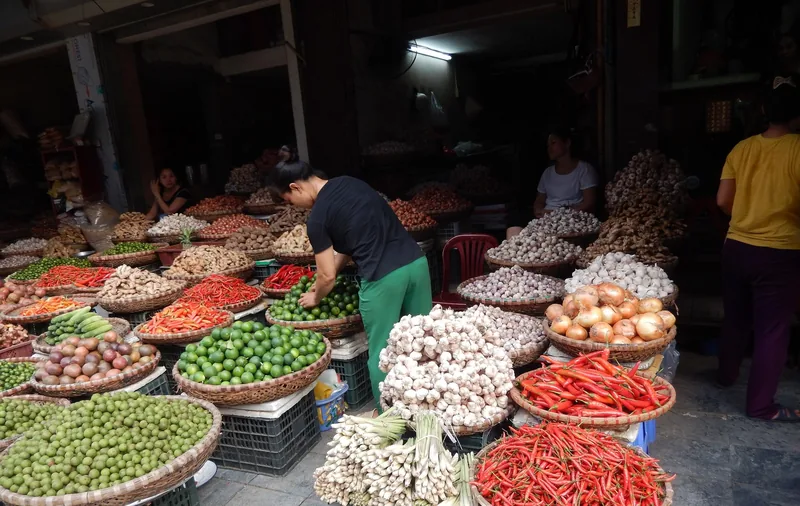
Start planning
Send a correction or a question
Tell us which page you mean, what you found at the stall or in the market, and when. A price, a date and a city help us check it.