 What to eat on the street in Vietnam, and how
Understand · Etiquette
Manners at the stall, and whether to tip
The small customs that make eating on the street smoother: sharing a table, using chopsticks and spoons, getting someone's attention, what to do with rubbish and photos, and how tipping works at stalls.
Sharing the table
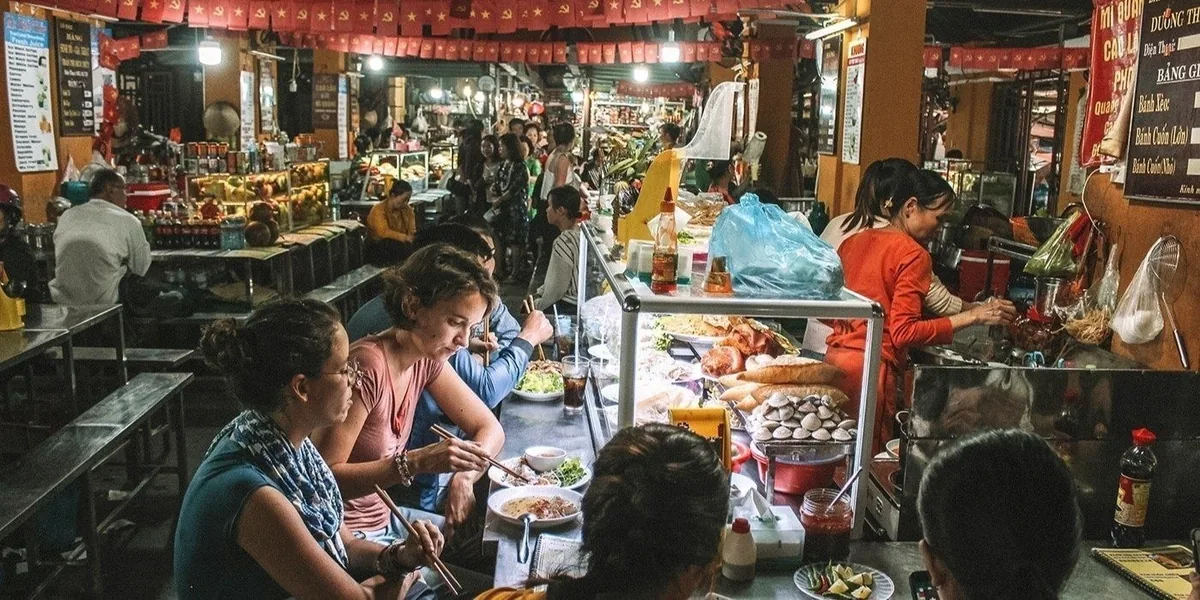
Street stalls run on shared space. If there is a free stool at an occupied table, take it; a nod is enough. Keep your bag on your lap or under your stool rather than on a spare seat at a busy time, and give up your place when you have finished. Stalls that sell fast at lunch depend on people leaving.
At a family meal, dishes are placed in the middle and shared, younger people wait for elders to start, and diners pick up food for one another as a sign of care. At a street stall each person usually has a bowl, but the same instincts apply when a group orders shared plates: let the oldest person start, and serve others before yourself.
Sources: Wikipedia — Vietnamese cuisine · last checked .
Chopsticks, spoons and bowls
- Chopsticks and spoons are both used. With noodle soups, hold the chopsticks in one hand and the spoon in the other; lifting the bowl closer to your mouth is normal.
- Do not leave chopsticks standing upright in a bowl of rice. It is associated with offerings to the dead.
- Wiping chopsticks and spoons with a paper napkin before you eat is common and not an insult.
- Slurping noodles is not rude. Neither is leaving herbs you do not like.
If you cannot manage chopsticks, ask for a fork ("cai nia"). Many stalls have one, and nobody will mind.
Getting attention and asking for the bill
Vietnamese uses kinship words to address people. To call a young server, say "em oi". For a man around your age or older, "anh oi"; for a woman, "chi oi"; for an older woman running the stall, "co oi" is polite. A raised hand works too. Waving or clicking fingers does not.
When you are done, say "tinh tien" (the bill) or make a writing gesture. At most stalls you pay at the table or at the cooking station after eating. At a few busy counters you pay when you order.
Tipping
Street stall prices are set without any tip in mind, and nobody will expect one. Rounding up a bill or telling the vendor to keep small change is a friendly gesture if you want to make it, not an obligation. At sit-down restaurants that add a service charge, there is no need to add more.
Where tipping is customary is in personal services, such as guides and drivers, which are outside the scope of this guide. For street food, a thank you ("cam on") and an empty bowl are the usual compliments.
Tipping is not the same as an unexplained extra on the bill. If a bill is far above the posted or quoted price, ask for the price of each item. The prices page explains how overcharging usually happens.
Rubbish, photos and space
- Many stalls expect used napkins and bones to go on the floor under the table or in a bin beside it. Watch what local diners do and follow them; when in doubt, leave rubbish on your tray or plate.
- Ask before photographing a vendor or other diners up close. Photographing the food is normal.
- Pavements are shared with pedestrians and parked motorbikes. Keep stools inside the stall's space and move if asked.
- Vendors who carry baskets on a shoulder pole make their living from selling. Agree a price before taking anything, including a photo with their pole or hat; reported overcharging cases often start that way.
Sources: VnExpress International — Vietnam tourism struggles to prevent overcharging (March 2026) · last checked .
Respecting the stall
Stall owners work long hours on tight margins. Arriving at closing time and asking for a full meal, ordering one dish for a large group to share at a crowded lunch, or occupying a table long after finishing all cost them money. A few habits help everyone: order one portion each at single-dish stalls, leave when you have finished at busy times, and accept that a dish may be sold out.
If something is wrong with your food, say so calmly. Raising your voice in public tends to make a dispute harder to settle in Vietnam, not easier.
Smoking is common at some street tables, and the person next to you may light up. If it bothers you, sit at the edge of the stall or inside rather than asking a stranger to stop. Children are welcome almost everywhere; a stall owner will often find a smaller stool or a spare spoon without being asked.
Finally, accept the pace. A noodle stall serves you in a few minutes and expects you to eat and go, while a grill stall at night is a place to sit with friends for an hour. Read which kind of place you are in and behave accordingly.
Common questions
Questions readers ask
Should I tip at street food stalls in Vietnam?
It is not expected. Rounding up or leaving small change is a friendly gesture if you want to, but stall prices do not assume a tip.
Is it rude to leave food in the bowl?
Leaving herbs or a little broth is normal. Ordering only what you will eat is appreciated at small stalls.
How do I call the server?
Say "em oi" to a young server or raise your hand. Avoid waving or clicking your fingers.
Related
Read next

Understand · Ordering
How to eat at a stall
Choosing a stall, sitting down, ordering without a menu, using the herbs and sauces, and paying.
Read more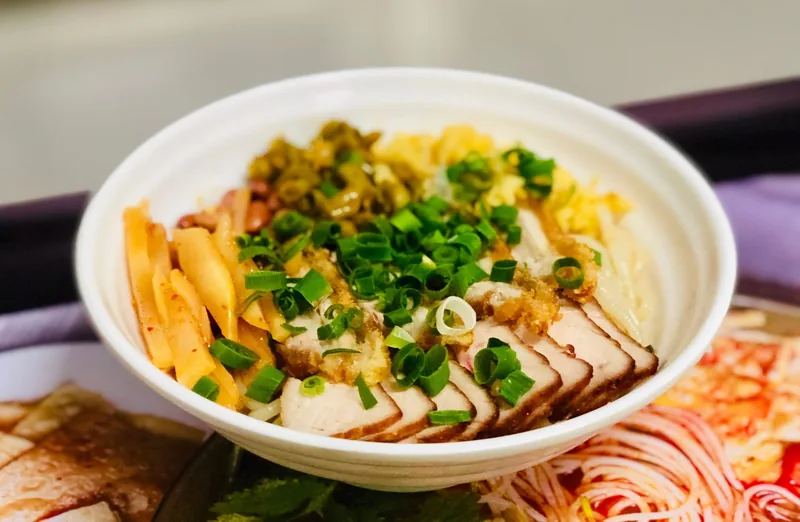
Understand · Prices
Prices by city
Price ranges for street dishes in five cities, with sources and dates, plus how to avoid being overcharged.
Read more
Understand · Markets
Markets and night markets
How market food halls and night markets work, when to go, and the main markets in Hanoi, Hue and Saigon.
Read more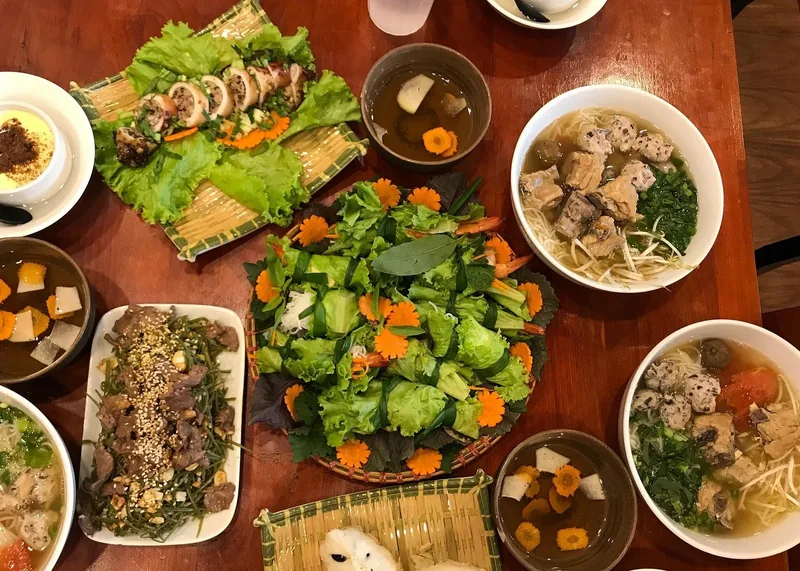
Understand · Dishes
Dish glossary
What the common street dishes are, where they come from and which allergens they usually contain.
Read more
Understand · Health
Food safety
Official health advice on street food, ice, raw herbs and methanol, applied to real stalls, and what to do if ill.
Read more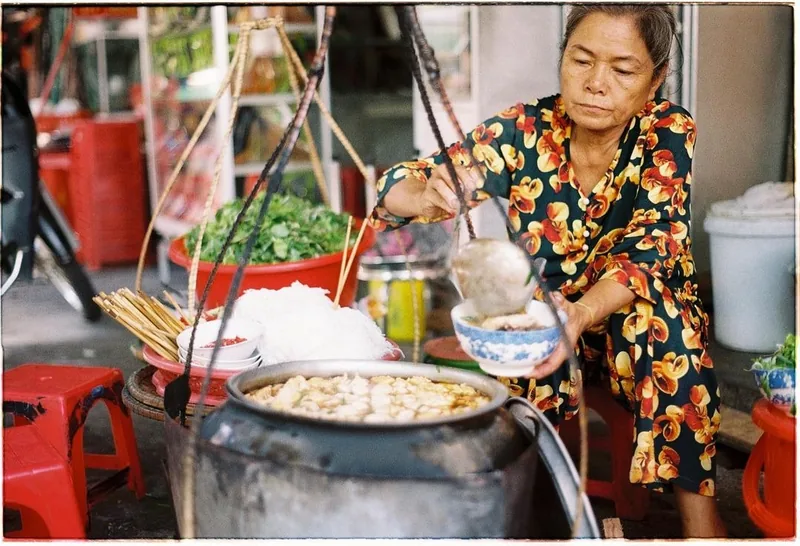
Independent street food guide
Home
Start here: dishes, ordering, prices by city, food safety and dietary needs for eating on the street in Vietnam.
Read more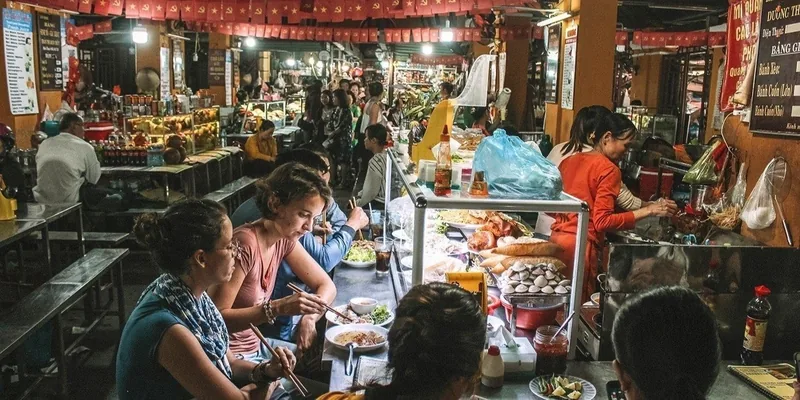
Start planning
Send a correction or a question
Tell us which page you mean, what you found at the stall or in the market, and when. A price, a date and a city help us check it.